100 Snowman Maze Puzzles: A Designer’s Creative Asset
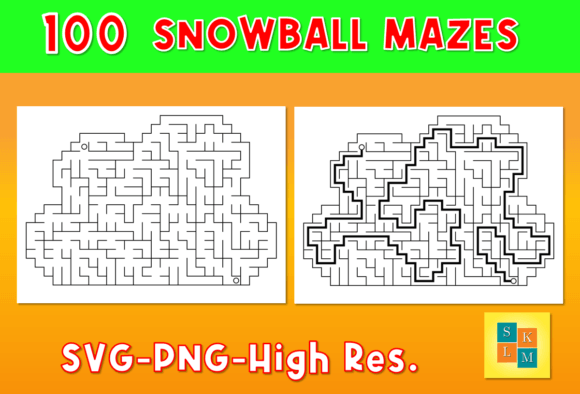
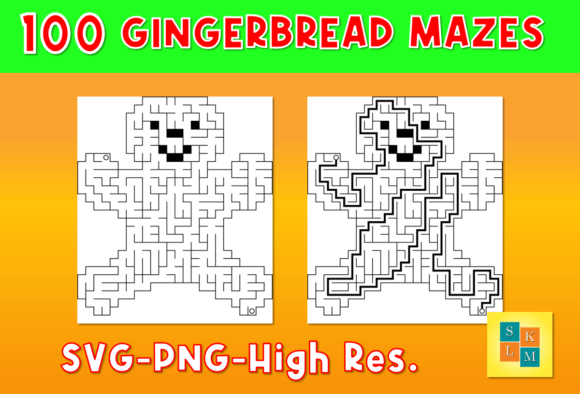
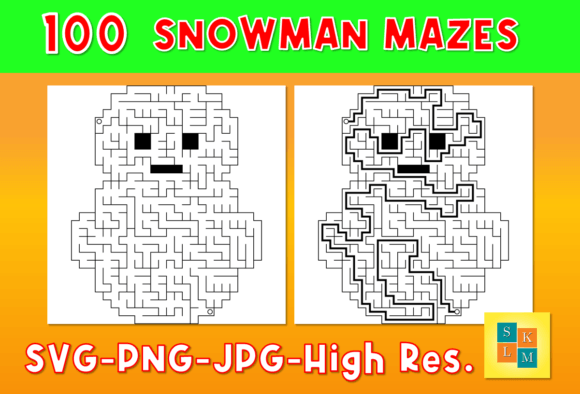
A set of 100 snowman maze puzzles is far more than a fun classroom activity—it’s a versatile collection of graphic design elements ready to be reimagined. Whether you’re crafting a winter-themed brand identity, building a digital product for Etsy, or designing social media graphics that need a playful touch, Maze Puzzles 100 Snowman Maze Puzzles offer an unexpected source of visual assets. Each maze comes as both a challenge and a charming snowman illustration, giving you two visual layers to work with in one resource.
Why Maze Graphics Matter in Modern Visual Design
Line-based maze illustrations carry an inherent sense of order and curiosity. From branding to editorial layouts, clean maze lines can introduce rhythm and structure without overpowering other elements. The snowman theme adds warmth and seasonal character, making these puzzles ideal for holiday campaigns, children’s products, or any project that needs a touch of whimsy. In terms of visual hierarchy, a delicate maze pattern can guide the eye, while the snowman acts as a focal point—perfect for drawing attention to a headline or call-to-action.
Because the pack includes high-resolution PNG files (300 DPI) and fully scalable SVG versions, you can resize and recolor each maze without losing clarity. This flexibility is essential for modern design workflows where adaptability across print and digital platforms is non-negotiable.
Creative Applications Beyond Puzzle Books
Traditional use cases—like KDP activity books, printable puzzles for teachers, or Etsy digital downloads—are just the beginning. When you look at these 100 snowman maze puzzles through a graphic design lens, they become a dynamic toolkit for:
- Branding and logo design: The snowman silhouette can morph into a playful logomark, while maze lines suggest problem-solving or a journey—great for educational brands or escape room businesses.
- Social media graphics: Isolate a single maze as a unique Instagram post background, or use a simplified version as a story sticker element that encourages interaction.
- Packaging design: Winter product lines (hot cocoa mixes, holiday candles, children’s snacks) can incorporate a subtle maze pattern on labels or box sleeves to add surprise and engagement.
- Editorial layouts: Use a partial maze as a decorative border in a magazine spread or a chapter opener for a children’s book, reinforcing a cozy, narrative feel.
- Web and UI design: Load an SVG maze as a lightweight, scalable illustration for a 404 page or a loading screen, turning wait time into a micro-moment of delight.
- Presentation decks: Replace generic bullet points with themed maze icons to make dry data feel more approachable and memorable.
Each maze also has a corresponding solution file, which you can treat as a separate graphic. The solved path adds colorful pathways and checkmarks you can layer creatively, or use to visually differentiate “before and after” content in marketing materials.
Combining Mazes with Your Brand’s Color Palette
One of the strongest advantages of working with SVG art is easy color editing. Open a snowman maze in any vector software, and you can instantly replace black lines with your brand’s primary hue. Soften the stroke weight for a more elegant look, or add a gradient to make the puzzle feel modern and dynamic. By aligning the maze’s style with your existing color palette and typography, you maintain brand identity while borrowing the maze’s nostalgic charm.
For print projects like flyers or classroom posters, the high-resolution PNGs ensure every bend in the maze stays crisp. If you’re designing a puzzle book interior, simply drop a snowman maze onto a page, add a text instruction like “Help the snowman find his scarf,” and you’ve created a cohesive, polished layout in seconds.
Using Mazes to Strengthen Visual Communication
Great design always serves a purpose. Snowman maze puzzles, when used thoughtfully, do more than decorate—they communicate. A maze can symbolize mentoring, career paths, or customer journeys, making it a clever metaphor in digital marketing infographics or coaching materials. The snowman, universally recognized and emotionally warm, softens the message and makes complex ideas feel friendly.
Think about UX design: an on-boarding process that feels like a maze can be reframed with a snowman illustration at the end, transforming frustration into a game-like reward. That small shift in visual language taps into modern aesthetics and improves user engagement.
Practical Tips for Stress-Free Integration
To get the most from your 100 snowman maze puzzles, keep these design principles in mind:
- Scalability: Always start with the SVG versions for branding or large-format prints; switch to PNG for quick placements or when you need a solid background.
- Readability: If the maze is a background element, lower its opacity to 15-30% so text remains legible. Conversely, when it’s the hero image, bold, full-opacity strokes make the activity obvious.
- Consistency: Pick one or two snowman variations and use them throughout a project to build a cohesive visual story rather than mixing too many different styles.
- Layering: In programs like Photoshop or Illustrator, place the maze behind or in front of other creative assets like snowflakes, ribbon banners, or hand-lettered quotes to add depth.
- Audience expectations: For a corporate holiday card, a subtle, single-color maze in the background feels tasteful; for a children’s app, brightly colored, animated-esque mazes fit right in.
The included zip file with organized folders for maze images and solutions—plus both PNG and SVG formats—makes it easy to experiment without hunting for files. You get 100 unique snowman designs, each capable of multiple transformations depending on how you color, crop, and combine them.
Whether you’re populating a teacher resource shop, creating a KDP puzzle book with a professional edge, or adding a hand-drawn touch to your next packaging run, these mazes give you a wealth of possibilities. A carefully chosen maze graphic doesn’t just fill space; it elevates the entire design workflow, bringing charm and structure to every pixel. When creative assets walk that line between function and delight, they become the kind of design inspiration that makes a brand feel unforgettable.